
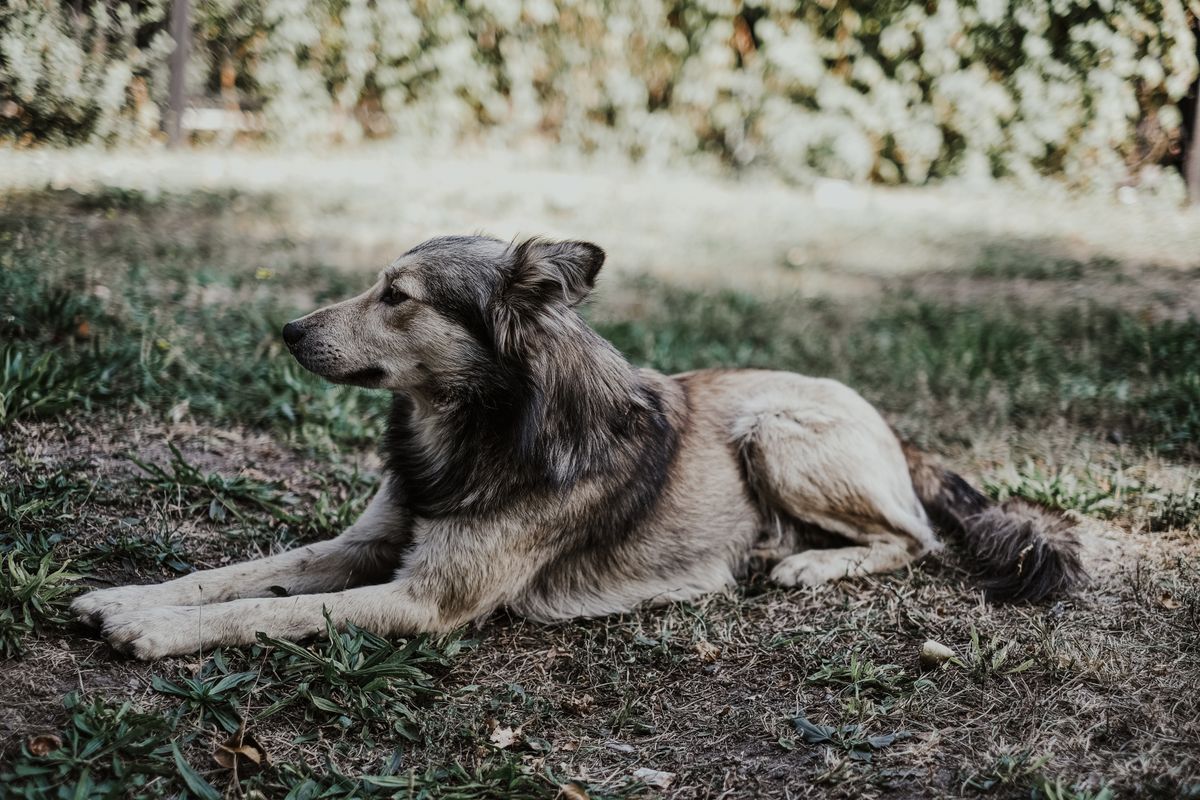
Collect the dog from Mickleham, do a toilet trip on the lead within the hour, put the crate it flew in into the busiest room of the house, and give it a day of nothing. No visitors, no dog park, no tour of the new neighbourhood, and nobody the dog has missed for a fortnight allowed to make a scene at the gate. A dog arriving in Australia has just done a long flight, a minimum of ten days in a facility where nobody it knows was allowed to visit, and a drive to a house it has never seen. It has nothing left. The first week is about giving nothing back to a dog that can't use it yet.
Most of what I write about relocation is for dogs leaving Australia. This is the mirror, and it's the version where the owner has the least control, because for ten days the dog was somebody else's.
What the dog has just been through
Australia has one government post-entry quarantine facility for cats and dogs, at Mickleham, about 30 kilometres from Melbourne Airport. Dogs from the UK, Europe, the US and most other approved countries spend a minimum of ten days there. Owners can't visit. The facility is staffed in daylight hours, and the dog is collected on its release date between 10am and midday by the person named on the import permit or their agent. So on the day you get your dog back, it has had a flight, ten or more days of strangers, kennel noise and a routine it didn't choose, then a car ride. Its waterline is as high as it will ever be, and it's about to meet its new life.
Collection day
Toilet trip first, on the lead, before the car if you can manage it and within an hour of getting home regardless. Then home, crate in the busiest room, same bedding it flew with, door open, and leave it alone. The crate should have travelled with the dog for exactly this reason: it's the only object in the country that smells like the dog's old life. Don't wash the bedding. Don't buy a new bed to celebrate. Don't tour the house. Feed the food you packed, not the new brand you found at the supermarket, because a food change on top of everything else is a week of diarrhoea you don't need.
"The dog doesn't need a welcome. It needs to know where the toilet is, where the bed is, and that the house is boring."
Days two to seven
Three toilet trips a day on the lead at fixed times. One short walk a day, ten minutes, on the block, with the dog next to you, no greetings. Crate sleeps every night. No visitors. And the dog isn't left alone in the house yet, because it doesn't know the house is safe. From day four the walks lengthen, and if you live near other dogs, one calm pass in the street per day, nothing more. The dog park is not the first week. It isn't the second week either. The park is the thing owners rush to because it feels like a kindness, and it's the fastest way to build a dog that's revving in the house, revving on the street, and can't switch off anywhere.
What to watch for
A dog that won't toilet on day one is normal. Keep the trips short and fixed and it comes. A dog that barks at the window is telling you the view needs blocking for the first month, because a dog with a view of the street makes the street its job. A dog that's suddenly marking everywhere, every post, every corner, is telling you the structure slipped, usually because the park or the visitors arrived before the house was boring. All three are fixable from where you are. None of them is a crisis.
The dog that came out of quarantine different
Some dogs come out flat and stay flat for a fortnight. Some come out wired. A few come out reactive in a way they weren't before, because ten days of kennel noise next to other dogs they couldn't reach is a long time to rehearse frustration. That last one is the dog that needs a plan and a lead in the first month, not more freedom, and it's the dog I'd want to see. If the dog you collected isn't the dog you sent, book a consultation in the first fortnight rather than the third month, because the patterns set fast in a new place.
If you're the other way round, sending a dog out of Australia, the full preparation is in how to prepare a dog for a long-haul flight. Same principle in both directions: rehearse the landing, protect the first week.