Your dog's training stopped working because it managed the moment instead of changing the dog underneath, and your dog has finally found a way around it. The training put a lid on the behaviour. Your dog spent a few months finding the edge of the lid. Then it lifted.
I meet this dog every week. The owners have done everything they were told. Puppy school, group classes, private sessions, a clicker in one pocket and a treat pouch on the belt. And it worked. The reactions got shorter, the recovery got better, everyone relaxed. Then months later it fell apart, and not on the walk. Before the walk.
This is not a post about which training camp is right. I've covered where I sit on the method debate already. This is about what it means when training worked, and then stopped.
Your dog stopped failing the walk and started cancelling it
The regression has a signature. The dog doesn't blow up worse at triggers. The dog starts refusing the harness. Then refusing the front door. Then refusing to get in the car. One couple put it perfectly: "everything leading up to it was becoming, I don't want to do it."
That is not a dog getting worse at walks. That is a dog cancelling the walk. Your dog did the maths: every time the harness comes out, the hard thing happens. I can't control the hard thing. I can control the harness. So the dog opts out at the earliest exit. Refusing the harness isn't defiance. It's the smartest move available to a dog who was never helped to feel differently about the street.
Treat inflation
At first you were throwing a bit of kibble. Then chicken. Then Wagyu beef. By the time people call me, they're carrying $50 notes and just tossing $100 notes, and the dog is going, I don't care about your $100 notes.
The price keeps going up because the food was never changing how your dog feels about the trigger. It was competing with the trigger. When the scary thing is 30 metres away, chicken wins. When it's five metres away, nothing in your pouch wins, because fear doesn't take cash. You end up bidding against your own dog's nervous system, and the nervous system sets the reserve.
It's also fragile. The whole system rests on a skilled adult with a pouch and immaculate timing, forever. You can't get a three-year-old to walk your dog.
A distracted dog is not a changed dog
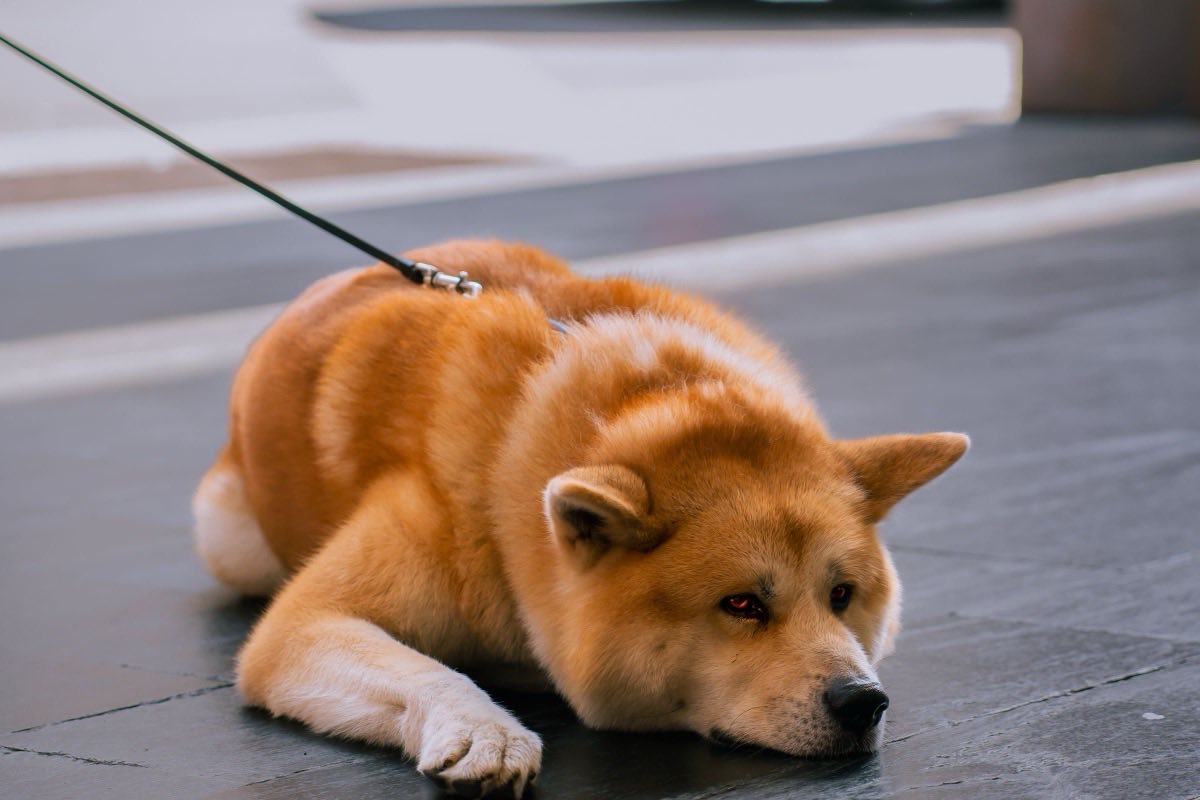
A dog put in a sit at the door is still feeling everything it was feeling. It is just sitting on top of it. That's a lid, not a fix, and under the lid is a spring. The sit fools you. It looks solved, right up until the lid comes off.
Distraction is the same trick with better marketing. Look at me, watch me, eat this. The energy that was pointed at the trigger didn't go anywhere. Somebody just waved food in front of it. That's why it worked for months. Lids do work, for a while. Managing the moment gets you through today's walk. It just doesn't change tomorrow's dog.
"It's very temporary. It's not reliable. You can't get a three-year-old to walk your dog."
Then the teenager arrives
Most of these collapses land between seven months and two years old, and that's no accident. Adolescence is when management dies, because teenagers stop taking bribes. You can get a young child to walk for two hours on Halloween for a bag of lollies. Ask a teenager and they go, pfft. I want bonding. I want relationship. If my friends are going, I will go.
Your dog is the same. The puppy took the deal. The teenager read the contract, found the loophole, and started refusing the harness. If the training only ever rented good behaviour, adolescence is when the lease runs out.
The stopping-walks trap
Around this point, a lot of owners are told to stop walking their dog. Half of that advice is right. A reactive dog rehearsing the same explosion twice a day is practising being reactive. But stop the walks and replace them with nothing, and the world gets smaller and smaller while the frustration gets bigger. One owner called it the catch-22: you want to give him an outing, but he's completely disengaged.
I stop walks too. The difference is what goes in the hole. We're not going for walks, we're going for outings. Drive one street over. Do ten minutes in the supermarket car park while your partner shops. Run short, structured cycles of play, brain work and rest instead of one long messy lap of the block. Different environment, same rules. The world gets bigger while the arousal comes down.
What changing the dog actually looks like
Every dog has a waterline, a baseline level of arousal that triggers push up from. A dog living at high tide reacts to everything; the treats and the sits were only ever managing the waves. Changing the dog means bringing the waterline itself down: fear burned off through real play, needs actually met, decent food, and a handler who reads the body instead of watching for the explosion.
It also means clear modes. PLAY, ANCHOR, CALM, EXPLORE, each with its own expectations, so the dog always knows what this moment is. And it means the dog choosing. I don't say sit. I set things up so the good decision is the obvious one, and the dog works it out itself. A dog that chose the behaviour keeps the behaviour. A dog that was paid for the behaviour renegotiates.
You'll know the difference by what you stop needing. The pouch stays home. The pre-walk pep talk stops. The measure was never "no reaction", it's how fast the dog comes back down. And eventually you get what I actually promise people: you almost want a boring dog. Crazy when you want crazy, invisible for five hours at the pub.
If you're reading this next to a dog who won't let the harness on, don't beat yourself up. It's not wrong. You did the best of what you know, and the work isn't wasted, because a committed owner is most of the battle. The training just aimed at the moment. Now aim at the dog.
That's what my private training is for. It starts with a 90-minute consultation, AU$400, where I watch your dog and tell you plainly what's fear, what's drive, and what's a teenager trying it on. From there, I'm not a magician, so we usually do a program.
Common questions
Why did my dog's training stop working?
Because it managed the moment instead of changing the dog underneath. Treats, sits and distraction put a lid on the behaviour, and the dog spent a few months finding the edge of it. Most collapses land between seven months and two years, because that is when a dog stops taking bribes.
Why does my dog refuse to put the harness on now?
The dog is cancelling the walk before it starts. Every time the harness comes out, the hard thing happens. The dog cannot control the hard thing, but it can control the harness. Not defiance, just the earliest exit available.
Why have treats stopped working with my reactive dog?
Because the food was competing with the trigger, not changing how the dog feels about it. At thirty metres chicken wins. At five metres nothing in the pouch wins, because fear does not take cash. That is why the price keeps climbing.