
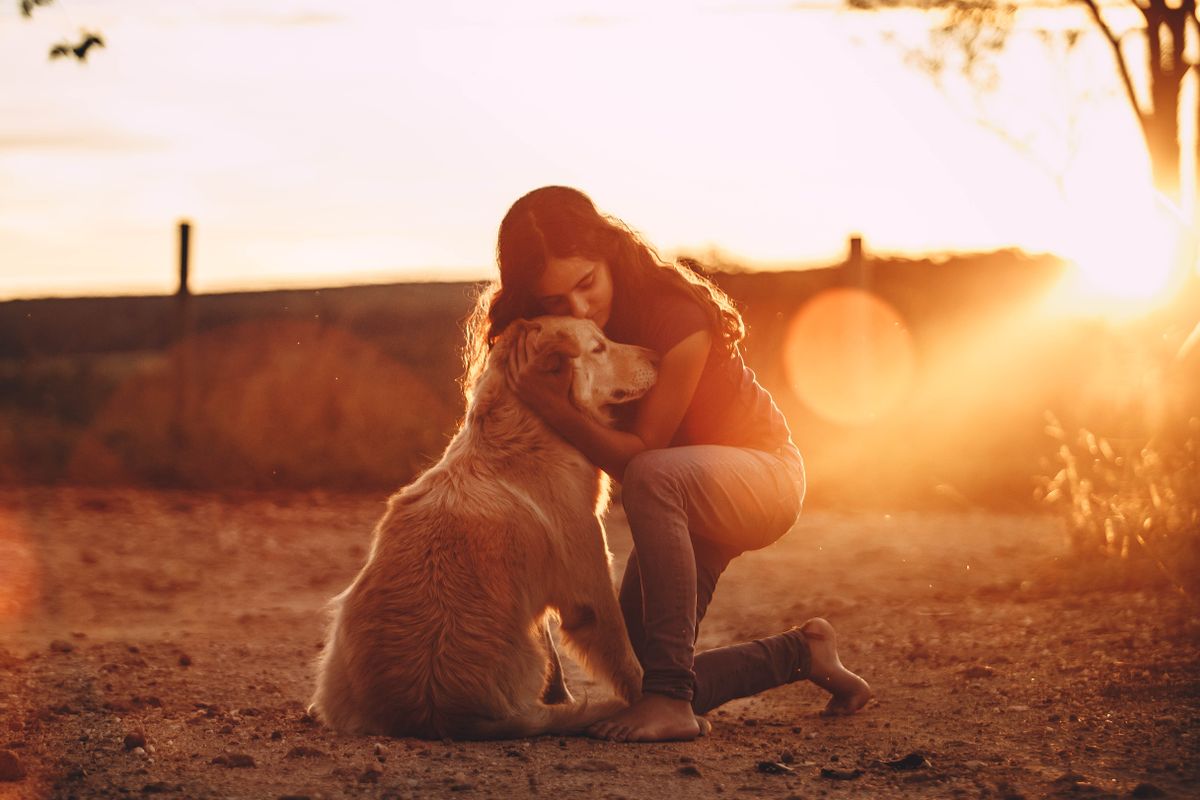
Mostly, no. Reactivity comes from genetics, from early experience in the weeks before you had any say, and from a nervous system that runs hot by design. The most you are likely to have done is keep the baseline high without knowing it, with too little rest or a daily walk past triggers your dog could not handle. That is a knowledge gap, not a character flaw, and it is the part that can be fixed. The guilt you are carrying is real, but it is pointed at the wrong thing.
I see this guilt in a lot of owners, and it tends to make the training harder, not easier. A handler who is ashamed is tense, apologetic, and inconsistent, swinging between frustration and over-comforting. The dog reads all of it. So setting the guilt down is not just for your sake. It genuinely helps the dog.
What is actually not your doing
A dog's sensitivity is set long before most owners meet it. Genetics load the dice on how reactive a dog is wired to be. The breeder's first eight weeks, the litter, the early socialisation window, all of it happens before or just as the dog arrives, and a lot of it is invisible to you. If your dog came to you already primed to run hot, that is not something you caused. It is something you inherited, and now get to work with.
What might be your doing, and why that is good news
Here is the part owners brace for. Yes, some everyday habits keep a reactive dog reactive: not enough real sleep, too much freedom and stimulation, and walking the dog past the same triggers twice a day so it rehearses the reaction. If you have been doing those, you did not break your dog. You followed the standard advice, which for a reactive dog is often exactly wrong. And every one of those is a lever you can pull starting today. The fact that some of it is in your hands is not an accusation. It is the reason change is possible.
Are reactive dogs unhappy?
In the moment a dog reacts, it is stressed, no question. But a reactive dog is not living a miserable life, and it is certainly not a broken or bad dog. Lower the baseline and the same animal is affectionate, playful, and relaxed at home. Reactivity is a state, not a sentence. The dog you fell for is still in there, sitting under a tide line that nobody showed you how to bring down.
Do dogs forgive you for yelling at them?
If you have snapped on a hard walk, you are not alone, and your dog is not keeping score the way your guilt suggests. Dogs do not hold a grudge over a raised voice. What shapes a dog is the pattern over weeks and months, not a single bad moment. Consistent, calm handling repairs far more than one frustrated outburst costs. The thing to fix is not the guilt about the outburst. It is the swing between snapping and over-soothing, because the inconsistency confuses the dog more than the volume ever did.
When you cannot be the person this dog needs
There is a harder version of this question underneath the guilt, and it deserves an honest answer. Sometimes, after real effort, an owner comes to see that they cannot give this particular dog the life it needs. The mismatch is too big, the household too full, the dog too much for this stage of life. If that is genuinely where you are, hear this clearly: rehoming a dog to someone who can meet it is an act of love, not a failure.
A breed-specific rescue, an experienced foster, or a calmer household can sometimes give a dog exactly what its first home cannot, and the dog can thrive there. Choosing that, and choosing it responsibly, through a good rescue or a careful rehome rather than walking away, is one of the most selfless things an owner can do. Wanting the best outcome for the dog, even when that outcome is not you, is not giving up on it. It is putting the dog first.
For most owners, though, it does not come to that, because most reactive dogs are far more capable than their guilt-ridden owners fear. The work is rarely about replacing you. It is about showing you how to lower the water.
Set the guilt down and do the work
The useful move is to stop asking whose fault it is at all. Do not blame yourself. Do not blame the dog, who is not giving you a hard time but having one. And do not pour your energy into blaming other people either, the ones who let their dog rush up to yours, or who reach out to pat your reactive dog without ever asking your consent first. Blame, in every direction, keeps you stuck in the moment that already happened.
What helps instead is curiosity. When your dog reacts, get interested in what its body was telling you in the seconds before, what it was asking for, what it needed from you right then. Curiosity puts you back in a position to do something, where guilt and blame only keep you replaying it. So set the guilt down and do the work, and let the work be this: be curious. That is the whole of how to stop a reactive dog, rest, structure, and learning to read your dog. None of it requires you to have been a perfect owner. It just requires you to start, with curiosity instead of blame. The dogs I have helped most belonged to people who arrived convinced they had ruined them, and were wrong.
Common questions
Is my dog's reactivity my fault?
Mostly no. It is genetics, early experience, and a hot nervous system. Any habits keeping it going are a knowledge gap, and a fixable one.
Are reactive dogs unhappy?
Stressed when they react, but not living a miserable life. Bring the baseline down and the same dog is relaxed and content.
Do dogs forgive yelling?
Yes. Dogs respond to the pattern over time, not one bad moment. Consistency repairs more than a single outburst costs.