Guide · Diona The Trainer
For owners on their second or third trainer who can feel there's something underneath all this nobody has yet put their finger on. This guide names it.
Diona The Trainer
Why your dog isn't misbehaving. They're unfulfilled.
Diona Chu
BVSc · MEd · Melbourne
You've worked with a trainer. Maybe two. You've watched the videos, bought the tools, done the classes. The dog is still mouthy when visitors arrive. Still pulling on the lead. Still reactive to the dog across the road that the last trainer told you wouldn't be an issue by now. You've started planning your day around not putting them in situations they can't handle.
It isn't your dog. It isn't you either. It's the frame. Every method you've tried has aimed at the behaviour. None of them have stopped to ask whether the behaviour was the right target.
Most dogs I see haven't been trained badly. They've been read wrong. They're under-rested. They have too much freedom for the brain they've got. They're being asked to perform when there's nothing left in the tank. No method on earth fixes that, because the problem isn't method. It's diagnosis.
This guide is the diagnostic. Eight chapters. The conversation I have in the first ten minutes of every session, written down so you can have it with yourself first, in your own kitchen, for $10.
Get the guide
Instant download. A designed PDF you keep. Read on a laptop, tablet, or phone.
Buy the guide — $10 AUDPDF delivered by email. Works on Mac, Windows, iPad, and iPhone.
Buying for someone else? See gift options →
Chapter 1
Why "he knows better" smuggles in two assumptions that fall apart on inspection.
Chapter 2
Obedience training inherited the wrong template from the working-dog world. What we lost in the translation.
Chapter 3
The core analogy. The waterline image. Capacity before cue, state before behaviour.
Chapter 4
The single most common diagnosis across every age and breed. The wired-tired tell most owners misread.
Chapter 5
Why the loving thing isn't the kind thing. Why structure precedes freedom, every time.
Chapter 6
Five needs to balance across a week. The behaviour is smoke; these are the fire.
Chapter 7
Five concrete lens shifts you can use at breakfast. Not protocols. Just better questions.
Chapter 8
PACE in brief. Three places to go if you want to take the reframe further.
Owners who have stopped inviting friends over because they're tired of apologising for the dog at the door.
Owners on their second or third trainer. The reframe gives you a lens for why nothing has stuck.
Owners with a teenage dog they don't quite recognise anymore. The puppy was easy. This is not.
Owners about to bring a puppy home, who would rather start with the right frame than unlearn the wrong one later.
No. It's the reframe that comes before training. There are no protocols, no checklists, no "do this for ten minutes a day." It's the lens that makes everything else work.
Instant PDF download after Stripe checkout, plus an email copy of the download link.
No. Owners who arrive at a session having read the guide ask better questions, so the session goes deeper. The reframe is the foundation; the session is the work on top of it.
Yes. $10 AUD inclusive of 10% GST. A tax invoice is automatically emailed with your receipt.
Digital products aren't typically refundable once downloaded, but if the guide genuinely didn't fit your situation, email happydogs@dionathetrainer.com and tell me what didn't land.
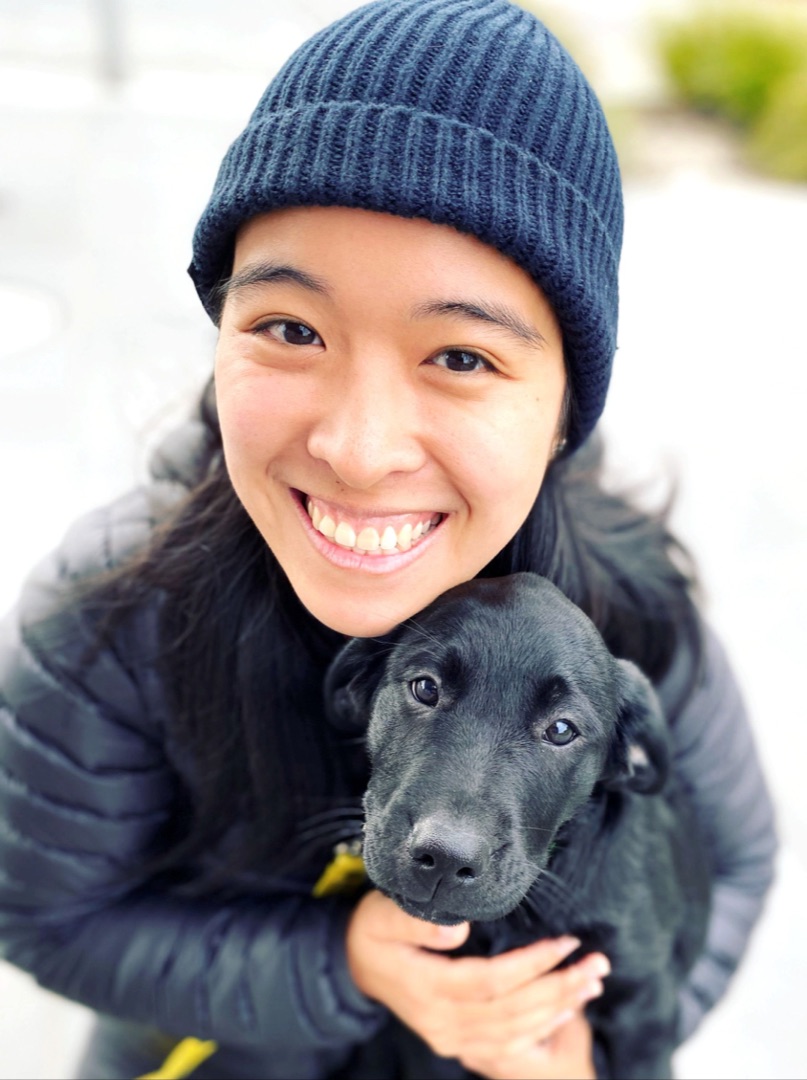
I'm a Melbourne-based dog trainer with a degree in veterinary science, a Masters in Early Childhood Education, and fifteen years across zoo, wildlife, and private dog training. My assistance dog Murphy and I work with clients across Melbourne and online.
I wrote this guide because the same conversation keeps happening in the first ten minutes of every session. This is that conversation, in writing, so owners can have it with themselves before they come to me.